Young Learners Expect a Digital Experience
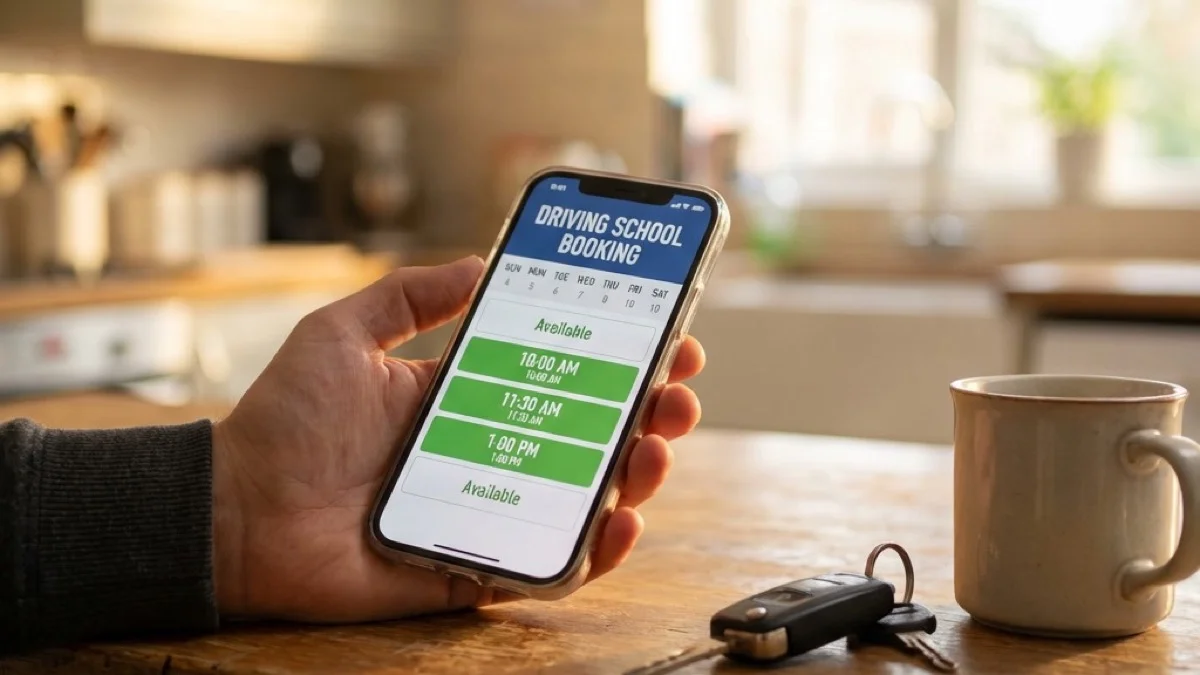
The majority of driving school students are between 16 and 24 years old — a generation that has grown up scheduling everything online. Asking them to call during office hours to book a driving lesson feels outdated. When a competing school offers instant online booking, the choice is obvious. Driving schools that embrace digital scheduling are not just keeping up — they are meeting their students where they already are.
Managing Instructors, Vehicles, and Locations
Driving school scheduling is more complex than most service industries. It is not just about instructor availability — there are vehicles to assign, pick-up locations to coordinate, and sometimes specific car types required for certain license categories. LoraBooking lets driving schools manage instructor schedules alongside vehicle allocation, ensuring that every booked lesson has both a teacher and a car available at the right place and time.
Theory vs. Practical Lesson Booking
Most driving schools offer two distinct lesson types: classroom theory sessions and behind-the-wheel practical lessons. Theory classes might be group sessions with limited seats, while practical lessons are one-on-one with an instructor. Presenting both through a single booking interface — with appropriate capacity limits for theory and individual scheduling for practical — streamlines the student experience. One platform, one login, all lesson types.

Tracking Student Progress Through Scheduling
A student's journey to a license follows a predictable path: complete theory hours, pass the theory exam, accumulate required practical hours, and pass the driving test. The scheduling system becomes a natural progress tracker. When students can see how many practical lessons they have completed and how many remain, they stay motivated and engaged. Instructors gain visibility into each student's stage without flipping through paper records.
Handling Seasonal Demand Spikes
Driving schools experience predictable enrollment surges — summer breaks, the weeks after students turn 16 or 18, and post-New Year motivation waves. Without online booking, these peak periods overwhelm phone lines and front-desk staff. With LoraBooking, students book themselves in, even at midnight during a surge. The school can monitor booking density in real time, add instructor availability where needed, and manage capacity without chaos.
Parent-Friendly Booking for Younger Students
For students under 18, parents are often the ones making the arrangements. These parents are typically busy professionals who appreciate the ability to book and manage their child's driving lessons online. They can see upcoming schedules, reschedule if needed, and receive reminders — all without calling the school during a lunch break. A parent-friendly booking experience makes the entire family more likely to choose and recommend your school.
The Competitive Edge in Numbers
Driving schools that implement online booking report measurable improvements: 25-35% more bookings during peak periods, a 40% reduction in phone-based scheduling time for staff, and significantly fewer missed lessons thanks to automated reminders. In a market where most schools offer similar pricing and curriculum, the booking experience becomes a genuine competitive differentiator.
Getting Your Driving School on LoraBooking
Setup is straightforward. Define your lesson types — theory sessions with group capacity, practical lessons per instructor — set instructor availability and assign vehicles, and publish your booking page. Share the link on your website, in enrollment packets, and on social media. Students book their first lesson in minutes, and the road to their license begins without a single phone call.